Kostel sv Martina/St Martin’s Church, Markvartice

Kostel sv Martina/St Martin’s Church, Markvartice © Ricky Yates

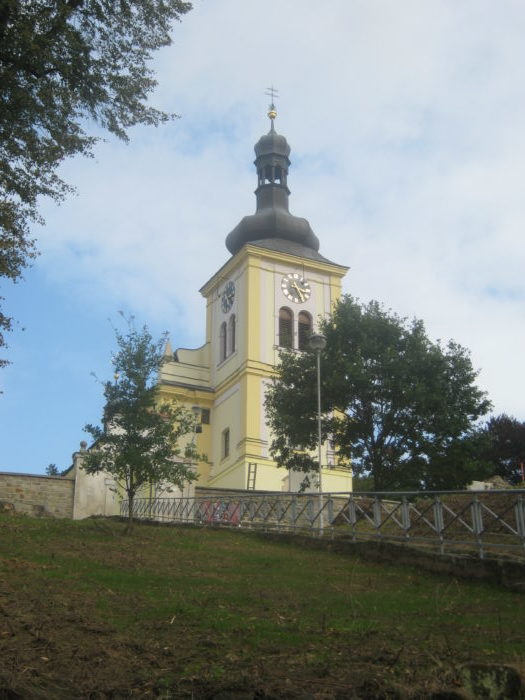
Today saw the reconsecration of Kostel sv Martina/St Martin’s Church in the nearby village of Markvartice. For the somewhat irreligious Czech Republic, renovating an abandoned Church building and bringing it back into liturgical use, is quite an event.

Whilst there has been a Church on the current site since the thirteenth century, the building in its present baroque appearance, dates from a rebuilding between 1701-04. It started falling into disrepair following the end of the Second World War, a result of the expulsion of the majority Sudetendeutsche population in 1945-6 and the communist takeover of power in Czechoslovakia, shortly afterwards.

The Church was last used for liturgical worship in 1966. By the late 1980s, all that was left standing were the perimeter walls – all of the roof had collapsed. Apparently, in 1989, the communist authorities issued an order for the demolition of the building, but fortunately, the Velvet Revolution took place before the order could be carried out.

Work to restore the Church began fifteen years ago, in 2002. Whilst funds to carry out the restoration have been raised locally, considerable finance has come from various German Roman Catholic dioceses. There has also been financial support from the regional government and from the Czech Ministry of Culture. This governmental support whilst welcome, is more about preserving what is seen as the country’s cultural and architectural heritage, rather than directly supporting the Roman Catholic Church.

Markvartice is about eight kilometres by road from Stará Oleška. Earlier this week, after I first read about today’s reconsecration, I drove across there to visit the Church. Last minute work to get everything ready for today’s celebrations, was taking place, but I was able to explore and take the photographs that follow.
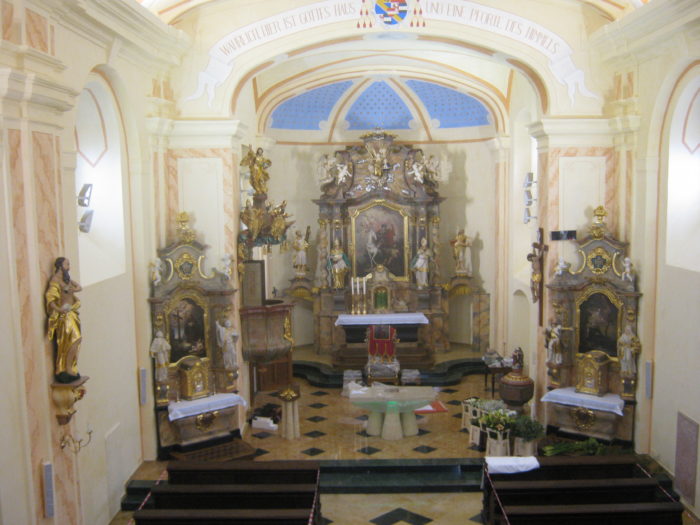
Interior of Kostel sv Martina/St Martin’s Church © Ricky Yates

As you can see, the very baroque interior has been completely restored to a very high standard and a modern forward altar and lectern installed. One rather ‘interesting’ feature is the coloured light under the front of the new altar. It changes between the different liturgical colours, avoiding the need for different coloured altar frontals 🙂
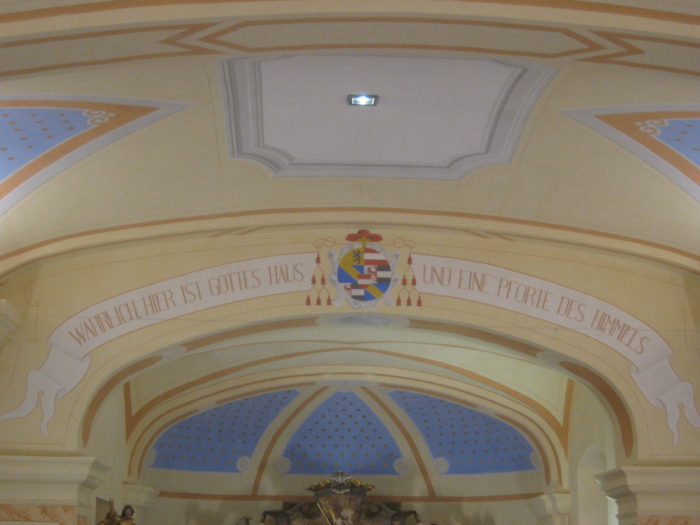
Inscription over chancel arch © Ricky Yates

The inscription above the chancel arch clearly reflects the fact that German was the language of the majority population at the beginning of the eighteenth century until 1945.
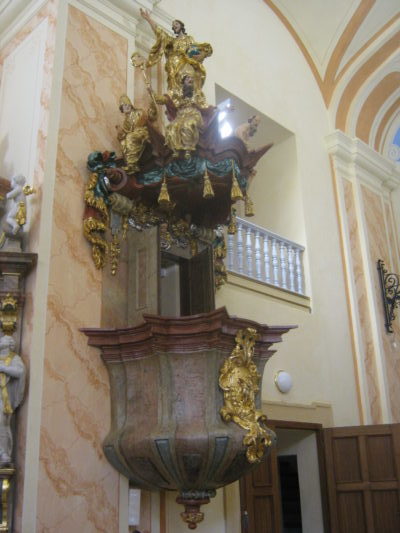
Elaborate pulpit © Ricky Yates

A rather elaborate pulpit from which to preach 🙂
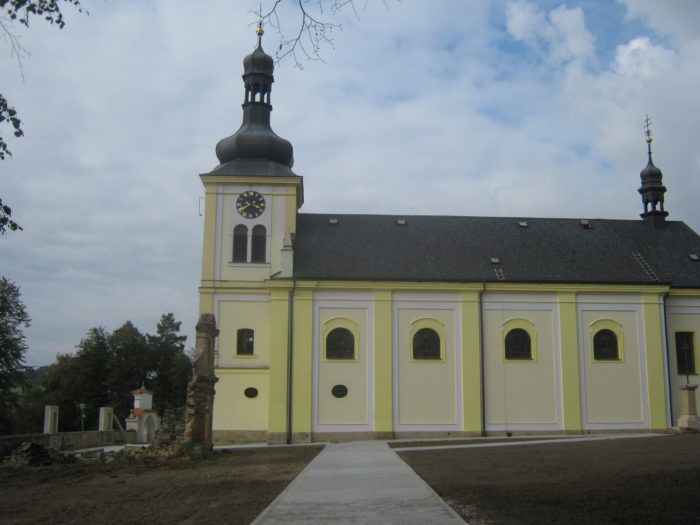
Kostel sv Martina/St Martin’s Church, Markvartice © Ricky Yates

The churchyard on the north side of the Church, has been almost completely cleared with the damaged remains of memorials, moved and placed alongside the boundary wall.
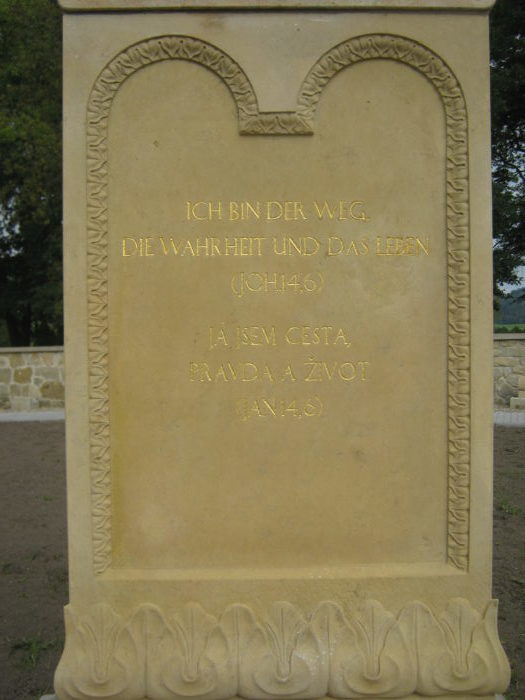
John 14. 6 in German & Czech © Ricky Yates

However, this memorial, with its bilingual inscription underneath a large cross, has been renovated and preserved. It is also an example of how much longer it takes to say something in German than in most other languages 🙂
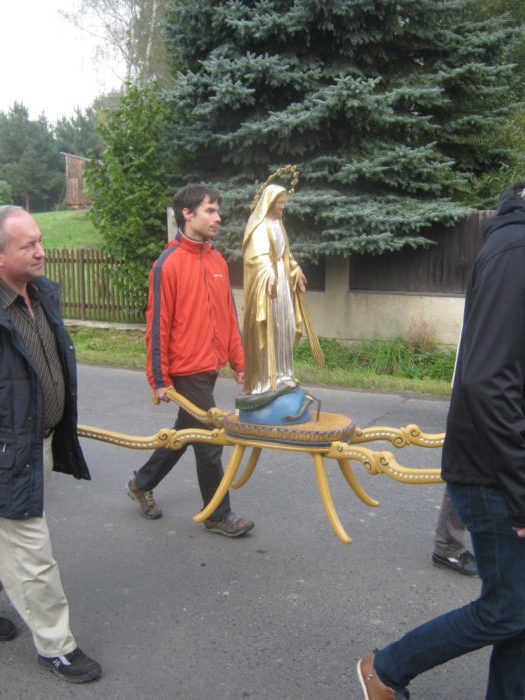
Statue of the Virgin Mary being carried in procession © Ricky Yates

Today’s celebrations began with this statue of the Virgin Mary being carried in procession through the village. The procession started at the railway station, located at the southern end of the village, and proceeded to the Church, located at the northern end.
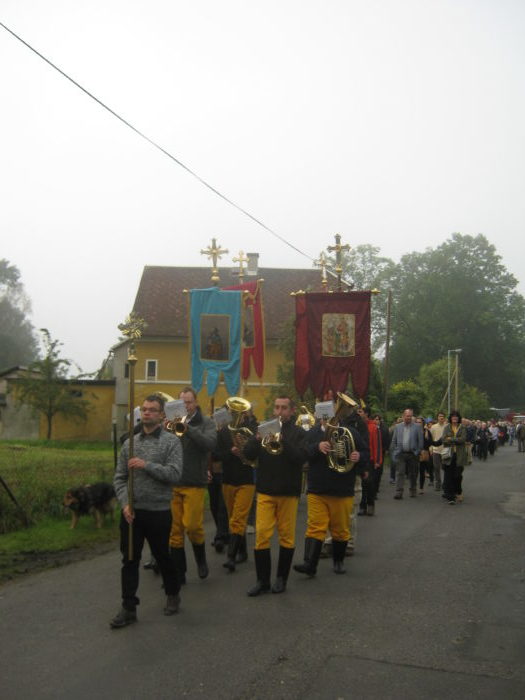
Procession © Ricky Yates

At the head of the procession, along with a processional cross and four banners, was a small brass band who I’m almost certain had travelled from Germany. There was quite a German presence with many German registered cars parked in the various temporary car parks that had been set up.
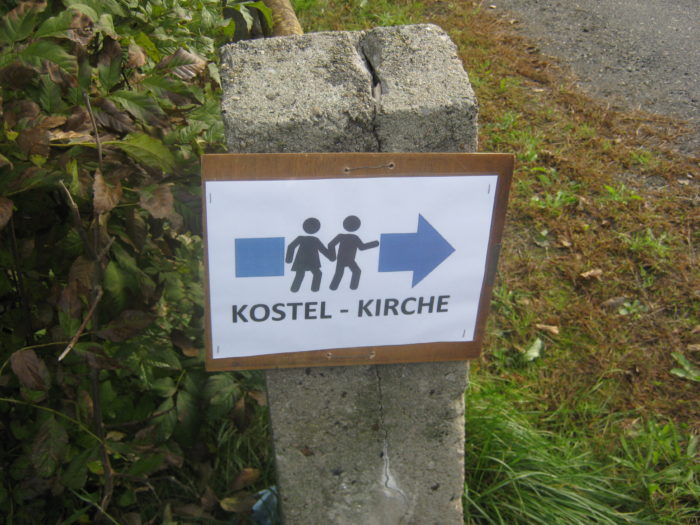
Bilingual sign © Ricky Yates

Hence this bilingual sign! There were also coaches which had brought people from elsewhere in the Czech Republic, particularly from Moravia which is the more Roman Catholic end of the country. Therefore whilst the Church was packed for the 11.00 mass of reconsecration, I do wonder how well attended it will be by local people, Sunday by Sunday, once all the visitors have left.
Making progress

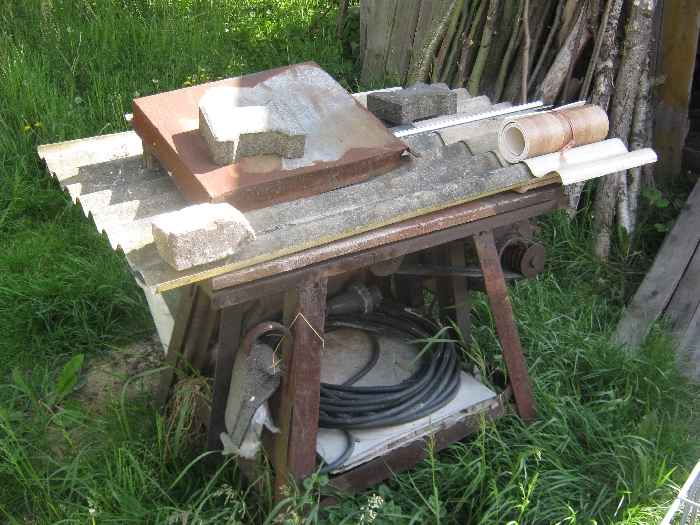
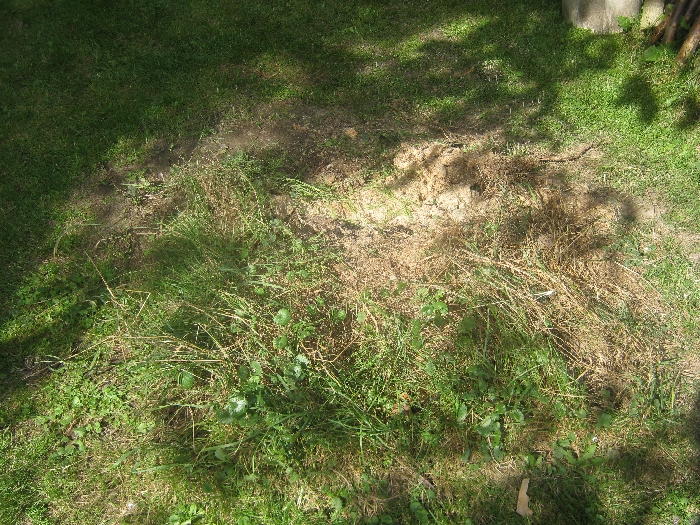
Yesterday, I made major progress in bringing order to the garden and outbuildings of my new home. In less than an hour, Jan with his van, assisted by a friend, removed a whole load of items left behind by the previous elderly owners, all of which were of no use to me. I hope the ‘before and after’ photographs which follow, will illustrate the progress that has been made.

Circular saw with ‘rain cover’ © Ricky Yates

Just under two weeks after moving to my new home in Stará Oleška, I wrote a post entitled, ‘Plenty to keep me occupied‘. In that post, I pointed out this ancient electrically driven circular saw for cutting logs, sitting in the middle of the back garden and wondered how on earth I would get it removed. Well yesterday, Jan using his electric metal cutter, removed the heavy engine from one side of the contraption. Then he and his colleague, aided by a trolley, were able to wheel the two parts out of the garden and into their van.

Where the ancient circular saw once stood © Ricky Yates

Here is where it once stood – now just an area of long grass and several centimetres of sawdust 😉

Junk © Ricky Yates

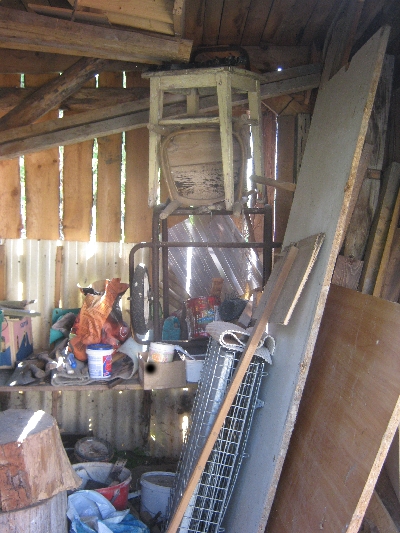
In that same post was this photograph of what I call my wood shed, showing a whole variety of ‘interesting’ items, stuffed into one end of the shed.

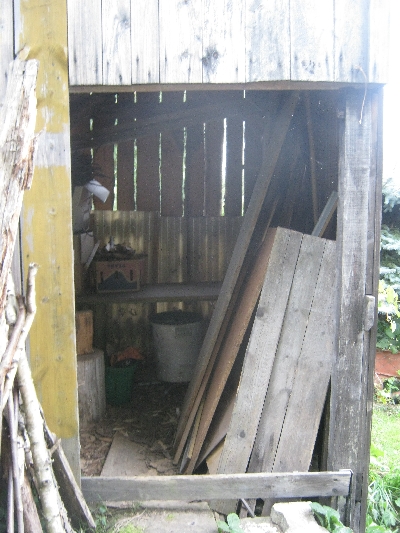
The wood shed minus junk © Ricky Yates

As this photograph shows, these ‘interesting’ items are now gone. There is still plenty of sorting out to do, but what is left is wood in some shape or form. Some pieces will be useful for future construction projects such as forming the framework for a concrete path. The rest will eventually be sawn up and become fuel for the wood burning stove which will be my main source of heating in the forthcoming winter.

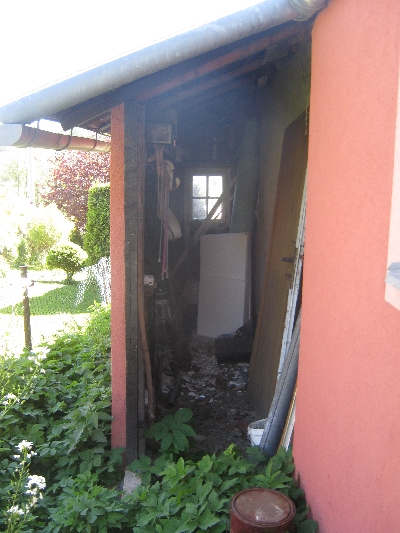
Lean-to storage unit in May 2017 © Ricky Yates

What I didn’t illustrate in that previous post was the half completed lean-to storage unit on one side of the house. This is what it looked like back then.

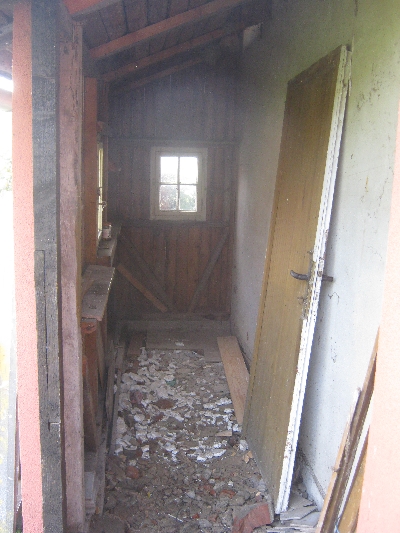
Lean-to storage unit minus junk © Ricky Yates

This is what it looks like now. Once I’ve removed some remaining loose timber into the wood shed, then I plan to lay a proper concrete floor. After that, I hope to be able to hang the door that is already sitting there, propped up on one side, and create a dry and secure home for my mower and garden tools.

For his labours, I paid Jan CZK 1000, just under £35.00 at current exchange rates. Whilst I’m sure he will be able to re-sell some of the bits and pieces, I still felt I got very good value for money.

1930s border fortifications

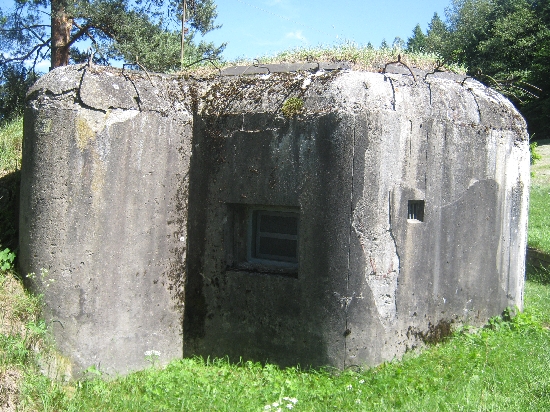
Concrete bunker near Srbská Kamenice © Ricky Yates

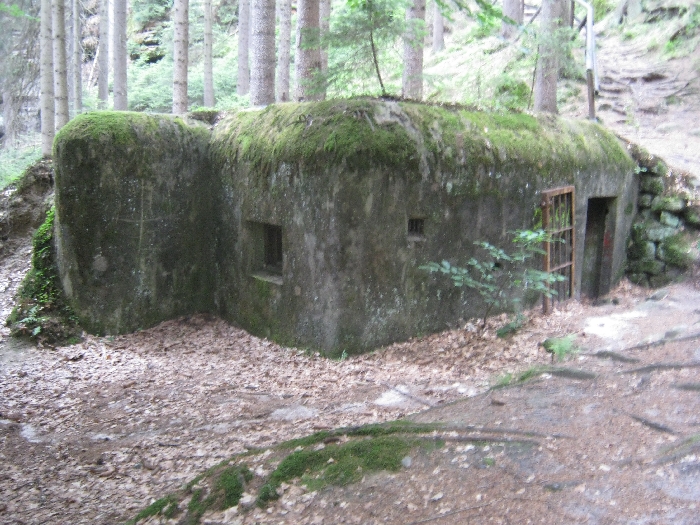
In the area a few kilometres north of my home in Stará Oleška, are a whole series of border fortifications, which date from period 1935–1938. They were built in response to the rise to power of Adolf Hitler, as I explained in greater detail over four years ago, in a post about similar fortifications in the Orlické hory.

Soon after Hitler came to power in Germany in 1933, he started making demands for the incorporation of German minorities into a ‘Greater Germany’, in particular the Sudetendeutsche residing in Sudetenland – that part of Czechoslovakia containing a majority ethnic German population. This alarmed the Czechoslovak government who began to make defensive plans to counteract any future Nazi invasion attempt. These concrete bunkers are the result of those plans.

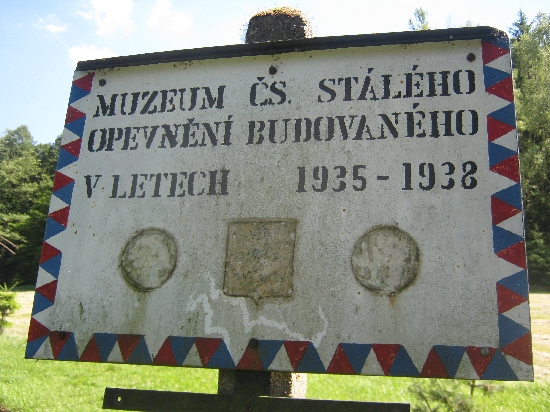
‘Museum of Czechoslovak permanent fortifications built in the years 1935 – 1938’ © Ricky Yates

As I explained in that earlier blog post, the whole issue of Sudetenland and the Sudetendeutsche, came to a head at the Munich Conference, held at the end of September 1938. In an effort to appease Hitler and avoid conflict, the then British Prime Minister Neville Chamberlain, along with his French counterpart Édouard Daladier, signed the infamous ‘Munich Agreement’, giving Hitler control of the Sudetenland. All this was done without the Czechoslovak government being consulted or represented at the conference.

As a result, all these border fortifications were never used for the purpose for which they were built. Despite Hitler promising that the the annexation of the Sudetenland would be the end of German territorial expansion, six months later, his forces occupied the rest of Czechoslovakia.

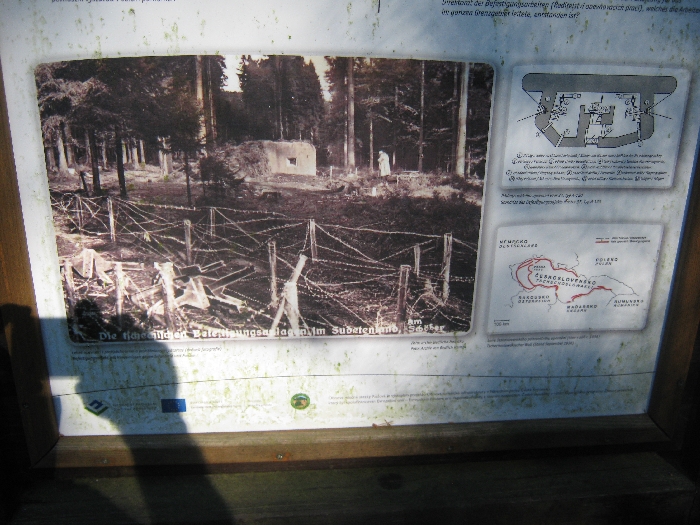
Explanatory display board © Ricky Yates

This display board explains all about these structures, in Czech and German, including a plan of one of the bunkers, together with a map showing where they were constructed, across Czechoslovakia.

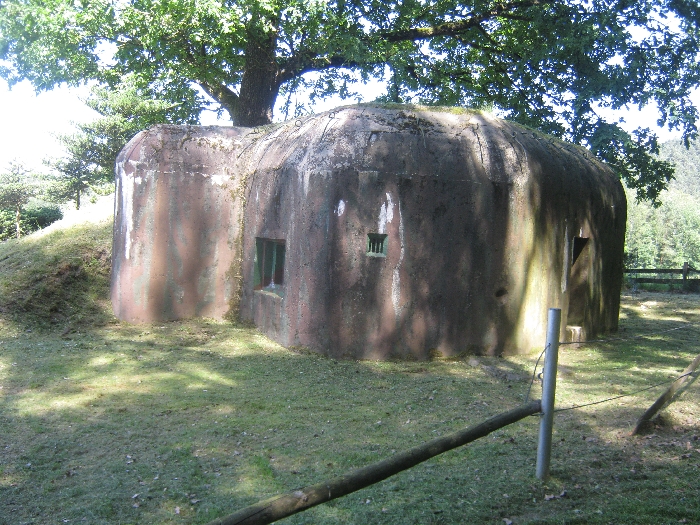
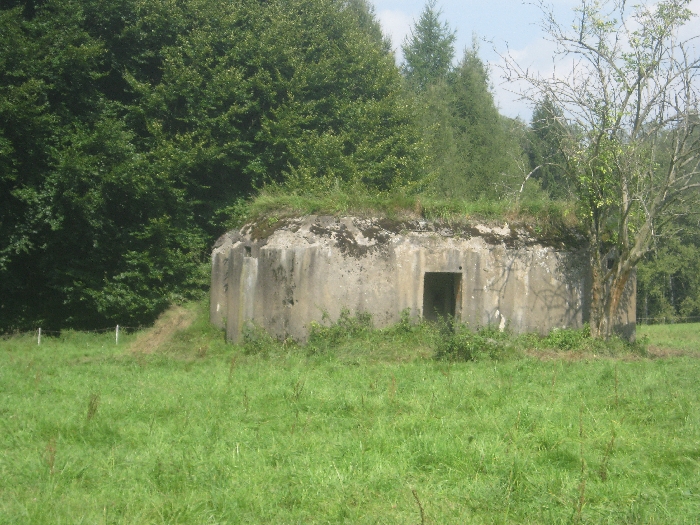
Below are photographs of three more bunkers that I’ve passed whilst walking through this area.

Concrete bunker near Srbská Kamenice © Ricky Yates
Concrete bunker near Dolský mlýn© Ricky Yates
Concrete bunker between Kunratice & Jetrichovice © Ricky Yates

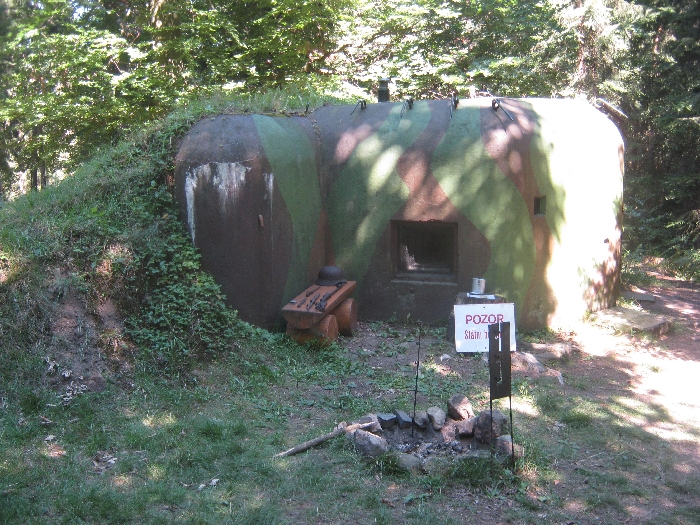
Whilst this one below, located between Srbská Kamenice and Všemily, has been restored to how it would looked when first constructed.

Restored concrete bunker located between Srbská Kamenice and Všemily © Ricky Yates

For a week during early August, it was open every day to visitors. The young couple who were camping alongside it and welcoming anyone who came to visit, got quite a surprise when I, an English-speaker, turned up 🙂

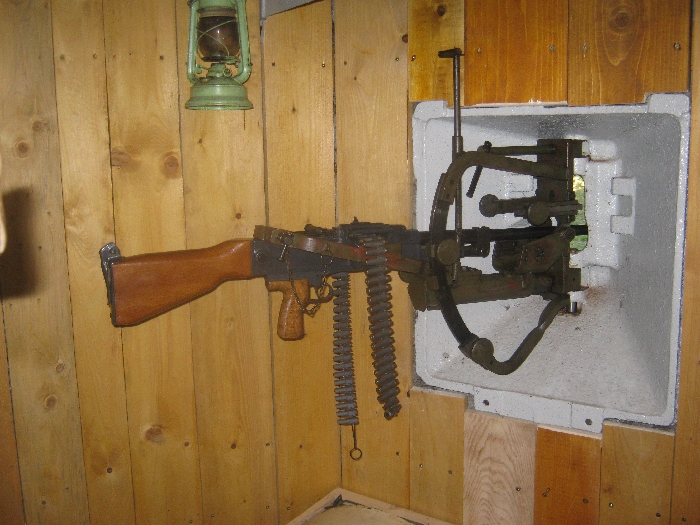
Interior of the restored bunker © Ricky Yates

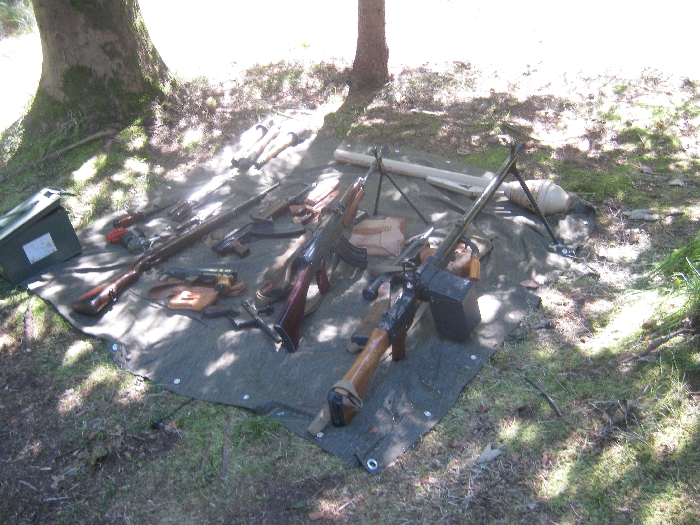
This is a photograph I was able to take of the rather cramped interior. Below is a display of period weapons laid out on the ground outside of the bunker.

Weapons display © Ricky Yates